
Origami
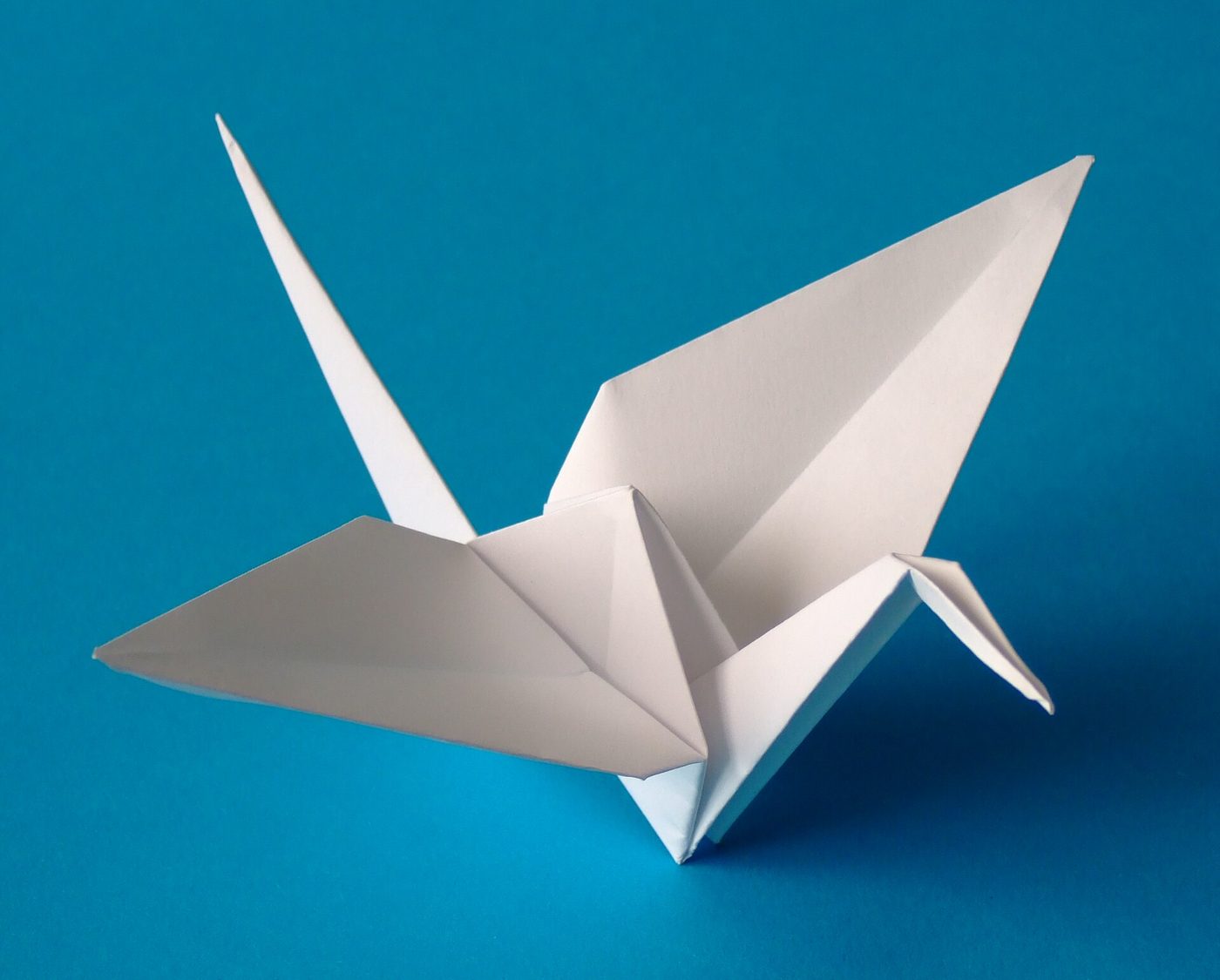
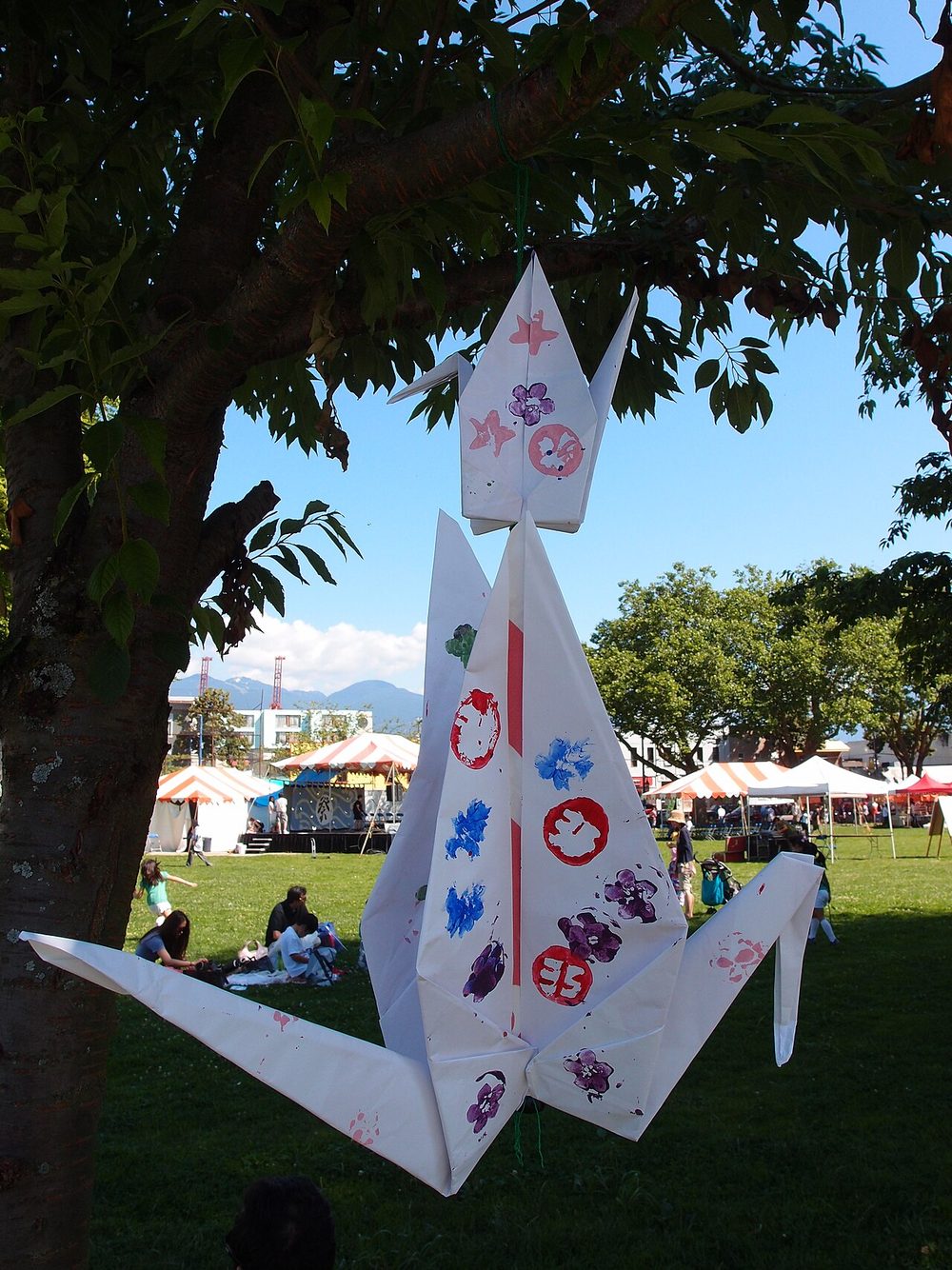
All you need is a square of paper. You can fold your first crane tonight.
All you need is a square of paper. You can fold your first crane tonight.

Photo: U.S. National Archives, public domain
Origami is folding paper into shapes: birds, boxes, flowers, stars. Most models start from one square sheet, and you don't cut or glue anything.
You learn from diagrams or videos that show one fold at a time. There are two basic folds. A valley fold makes a V. A mountain fold makes an upside-down V. Everything else is built out of those two.
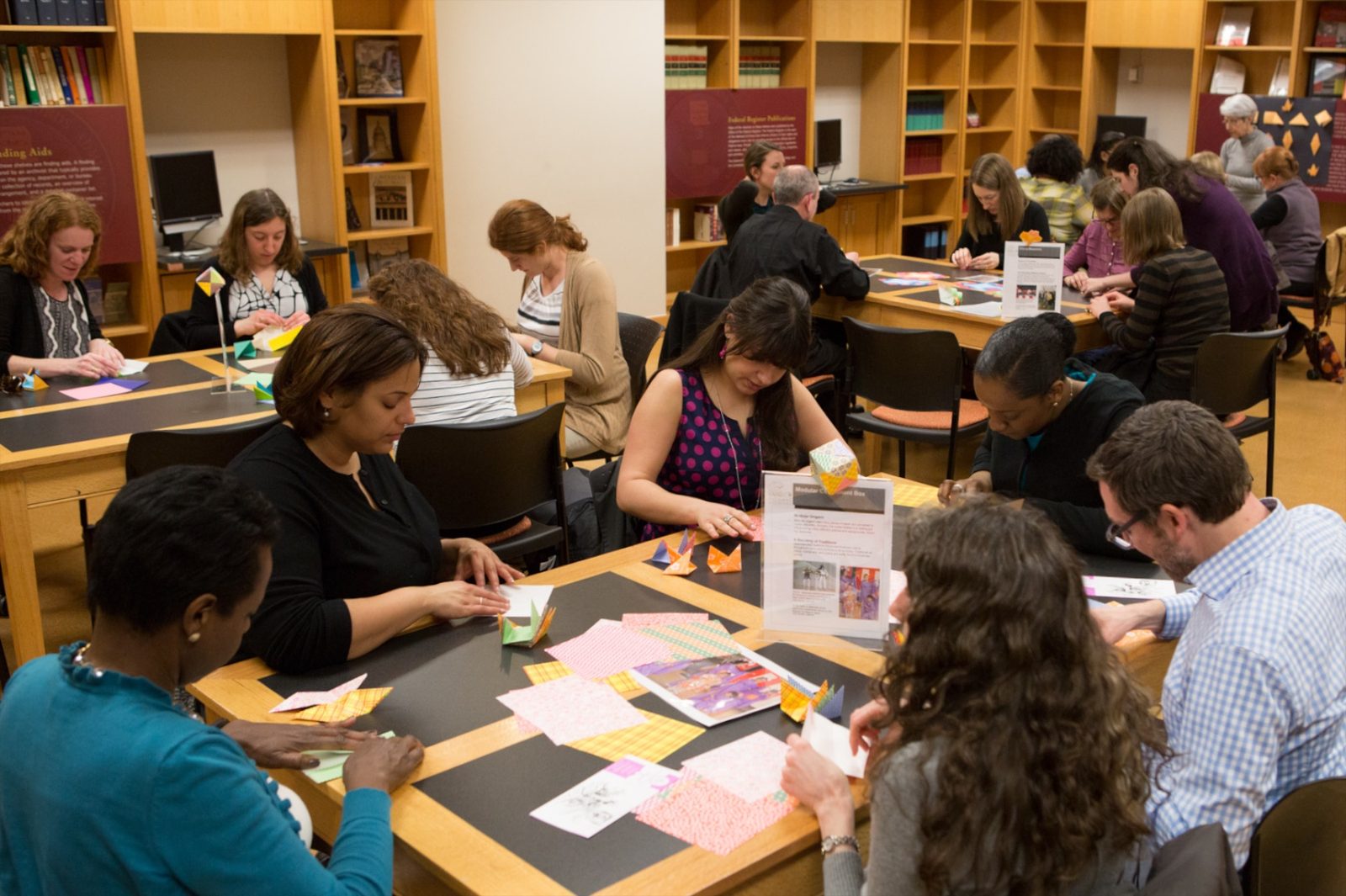
The first time, you sit at a table with a few sheets and follow one simple model. You'll unfold and redo a step or two. Everyone does.
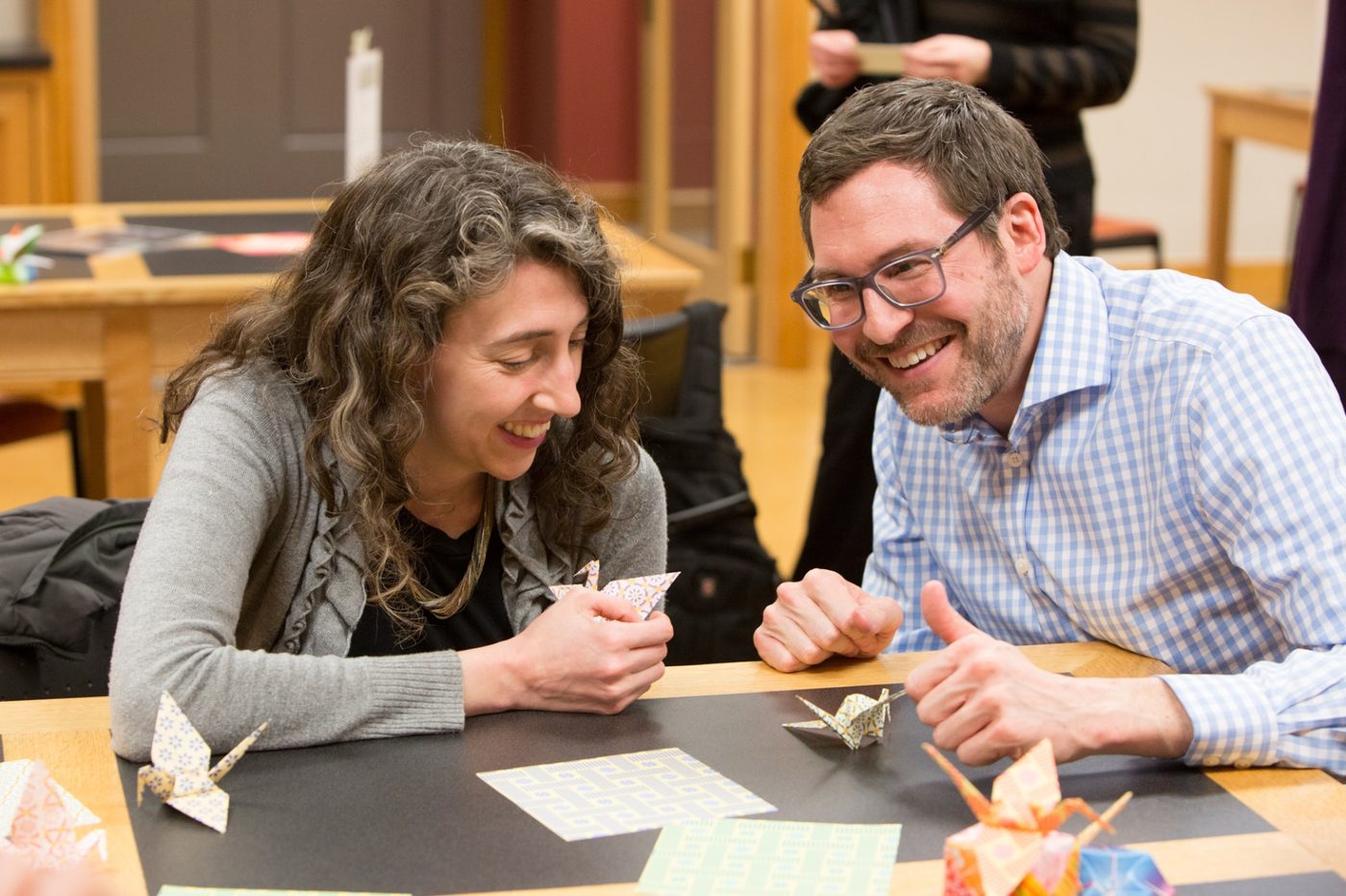
It keeps your hands busy and your head clear. You can't scroll your phone while you fold.
You finish something in one sitting. A crane on your desk is small, but you made it, and you can fold another one to give away.
Mistakes cost nothing. A bad fold means you take a new sheet.
You need square paper. That's it. Printer paper works if you trim it square.
That's the whole list. You don't need a starter kit.
Pick one easy model: a paper cup, a jumping frog or a fortune teller. Fold it three times. The first time you learn the steps. The second time your creases get cleaner. Keep the third one.
One small goal a week.
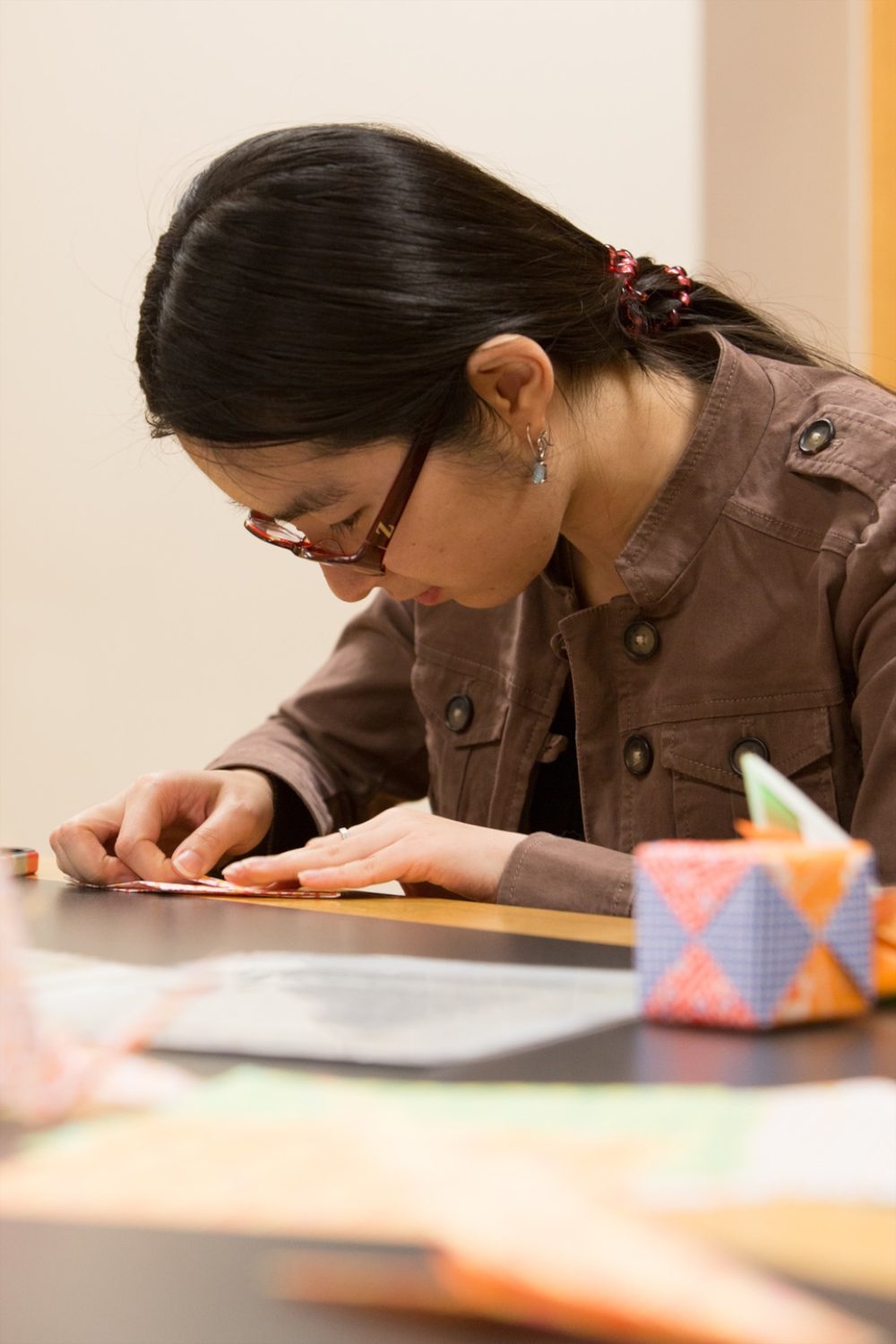
Tiny paper hides mistakes and fights your fingers. Learn a model on big paper first, then go smaller.
Each step lines up on the folds before it. Press every crease flat with your nail, or the end won't line up.
A photo of a finished dragon won't teach you to fold one. Pick models with step-by-step diagrams or a video, and work up.
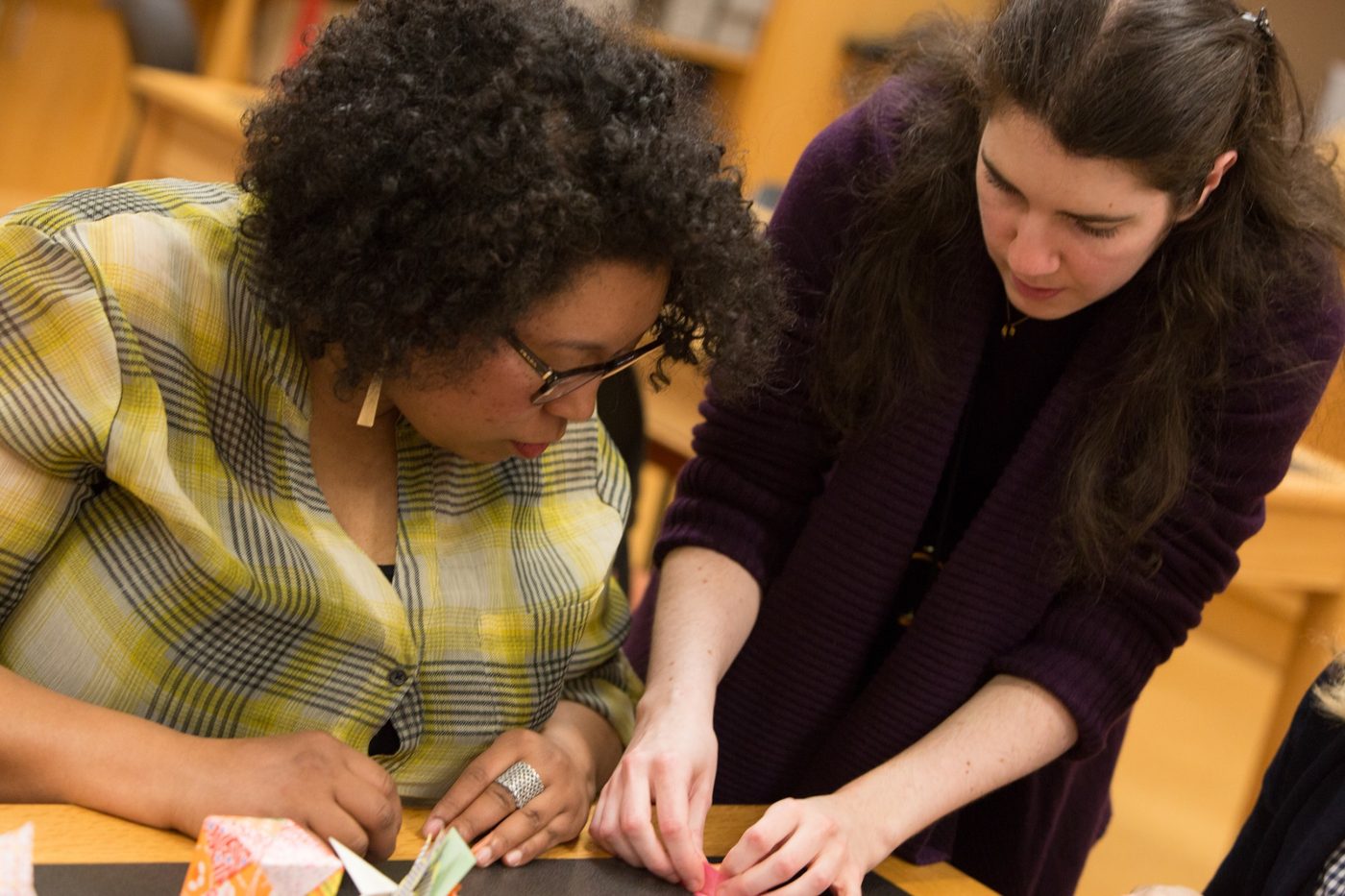
It's faster to learn with someone sitting next to you. These Canadian groups are listed in OrigamiUSA's directory.
See every group in OrigamiUSA's Canada list
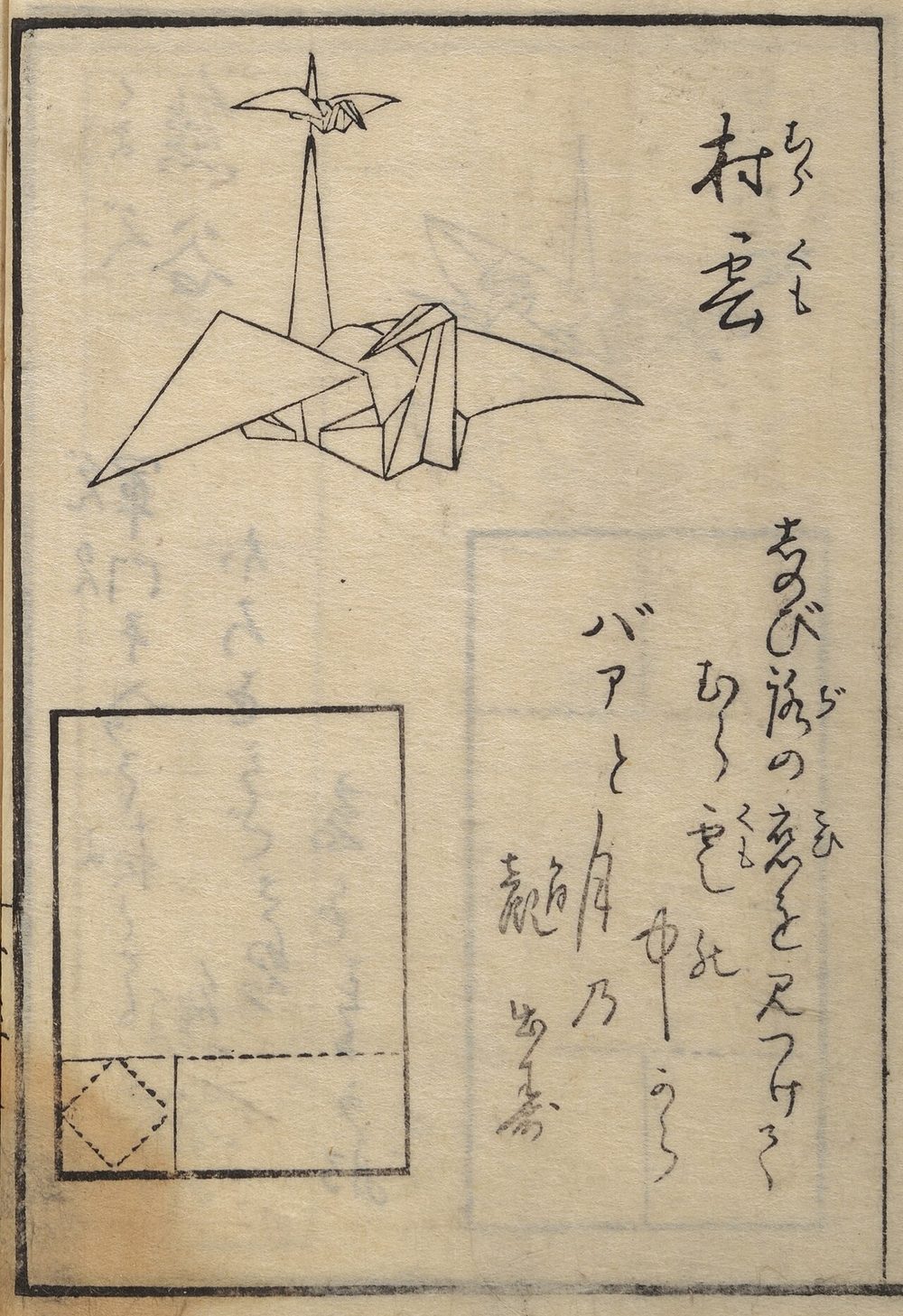
The oldest known book of folding for fun came out in Kyoto in 1797. In Europe, Friedrich Fröbel made paper folding part of the day in his kindergartens. In the 1950s Akira Yoshizawa started drawing folds with dashed lines and arrows, and that's still how diagrams work. Around the same time, a girl in Hiroshima folded cranes while she was sick, and her story made the paper crane a symbol of peace.
Watch the Hobby History Archive video
Hiden Senbazuru Orikata (The Secret of Folding a Thousand Cranes) is published in Kyoto. It shows 49 ways to fold linked cranes from one sheet, and it's the oldest known book of origami for fun.
Friedrich Fröbel, who started the kindergarten in Germany, makes paper folding one of the children's regular activities.
Akira Yoshizawa's first book uses a set of symbols for drawing folds. Samuel Randlett adds to it in 1961, and it becomes the standard way origami diagrams are drawn.
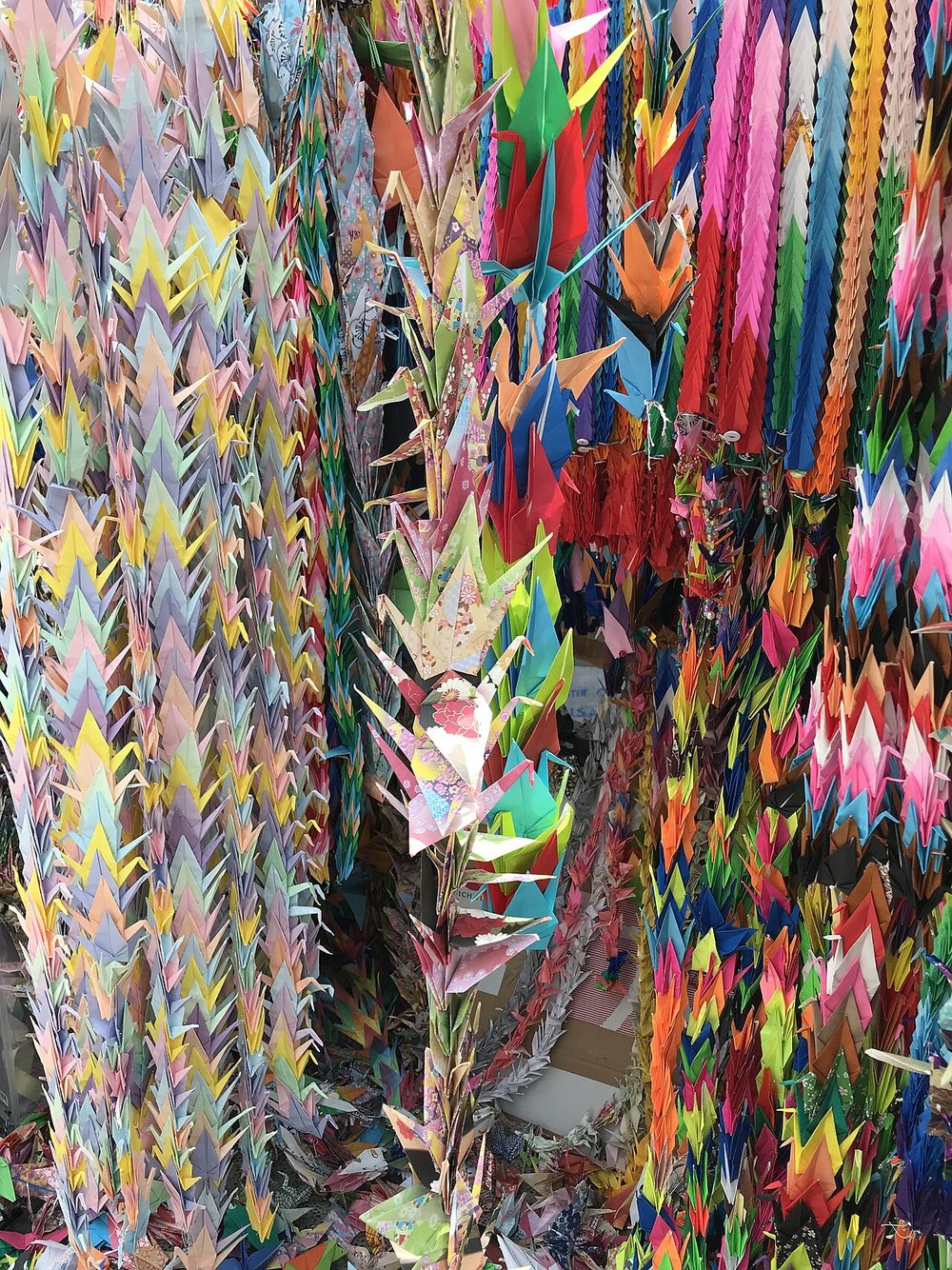
Sadako Sasaki dies of leukemia in Hiroshima at 12. She was two when the atomic bomb fell, and she folded well over a thousand cranes in hospital. In 1958 the Children's Peace Monument opens with her statue on top.
For when you're hooked.
by Robert J. Lang
Not a first book. Read it once you want to design your own models.
Publishes diagrams, runs a yearly convention and keeps a list of local groups, including the Canadian ones above.
One of the oldest origami groups. Members get a magazine and access to conventions.
Young kids can fold simple things like a cup or a dog's face with an adult helping. The crane has more steps, so it suits older kids who can follow a sequence.
Yes. It's quiet, it fits on a table, and the only mess is a few scraps.
Use bigger paper. A 20 cm square is much easier on your fingers than a 15 cm one.
A clean crane takes a few tries. Complicated models take months of practice.
One email when a new guide goes up, plus the hobby ideas readers ask for most. No spam, and you can leave any time.
We're writing guides for knitting, calligraphy and bonsai next. Until they're up, tell the picker what you want and it will show you what fits.